Client work · Fortitude Valley
Honey Dew Valley
Food photography, reels and design for a Brisbane café serving modern brunch and Korean-inspired plates.
Measurement period Sep 2025 to May 2026
Monthly reach 53 → 14,683
Paid ad spend $0
The starting point
A clearer view of the menu.
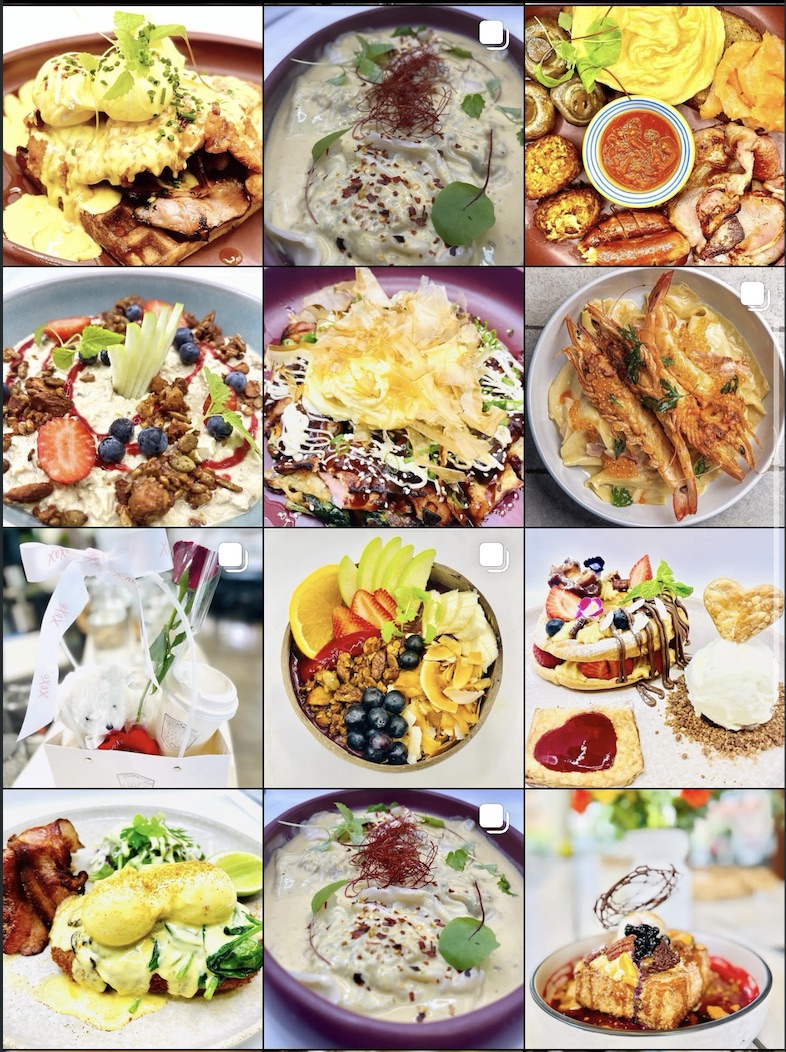
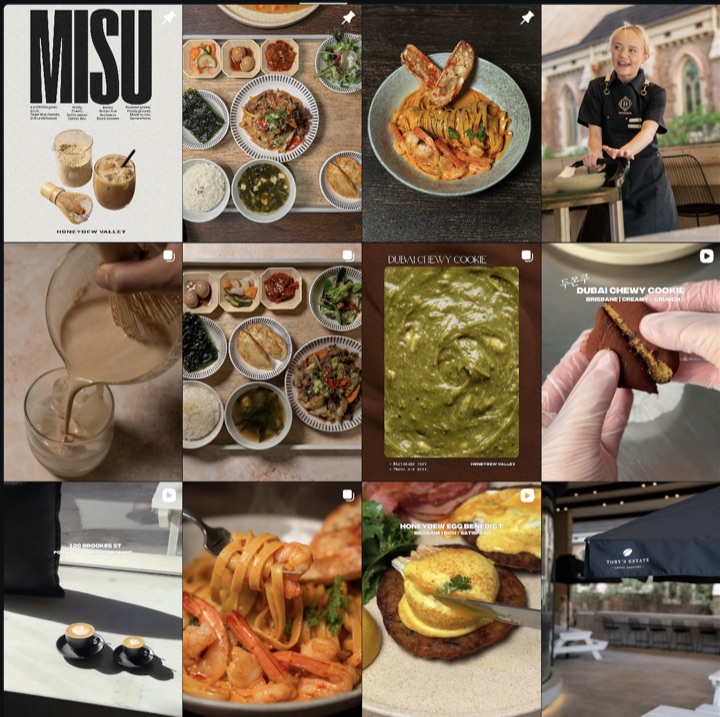
The owner-supplied Insights recorded monthly reach of 53 in September 2025. FLAVA’s work included food photography, reels and an Instagram feed redesign, alongside menus, posters and venue signage.
The feed examples show the change in presentation: dish photography alongside menu announcements and short videos. Open either image to inspect the full screenshot.
Selected deliverables
From the plate to the poster.
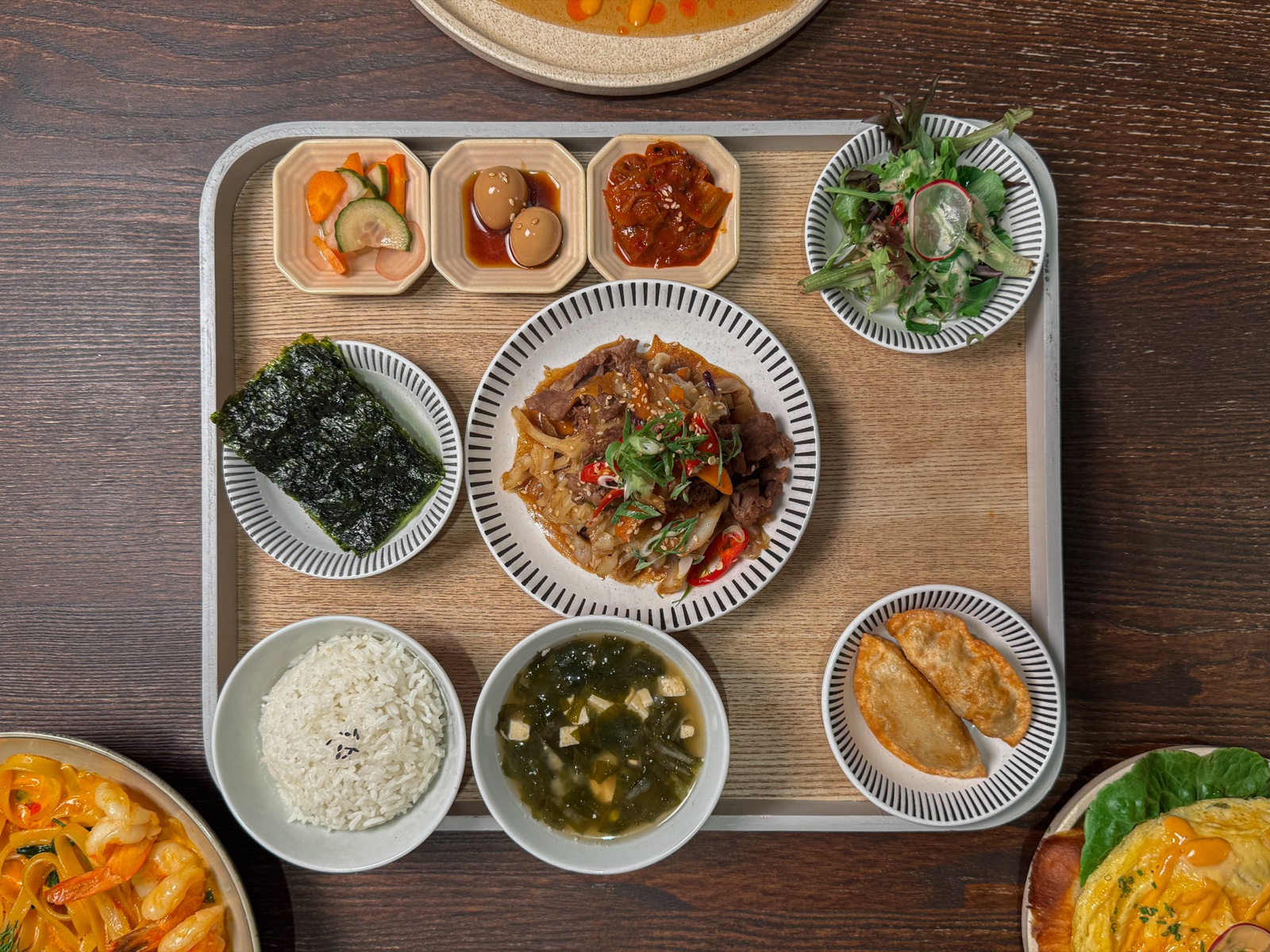
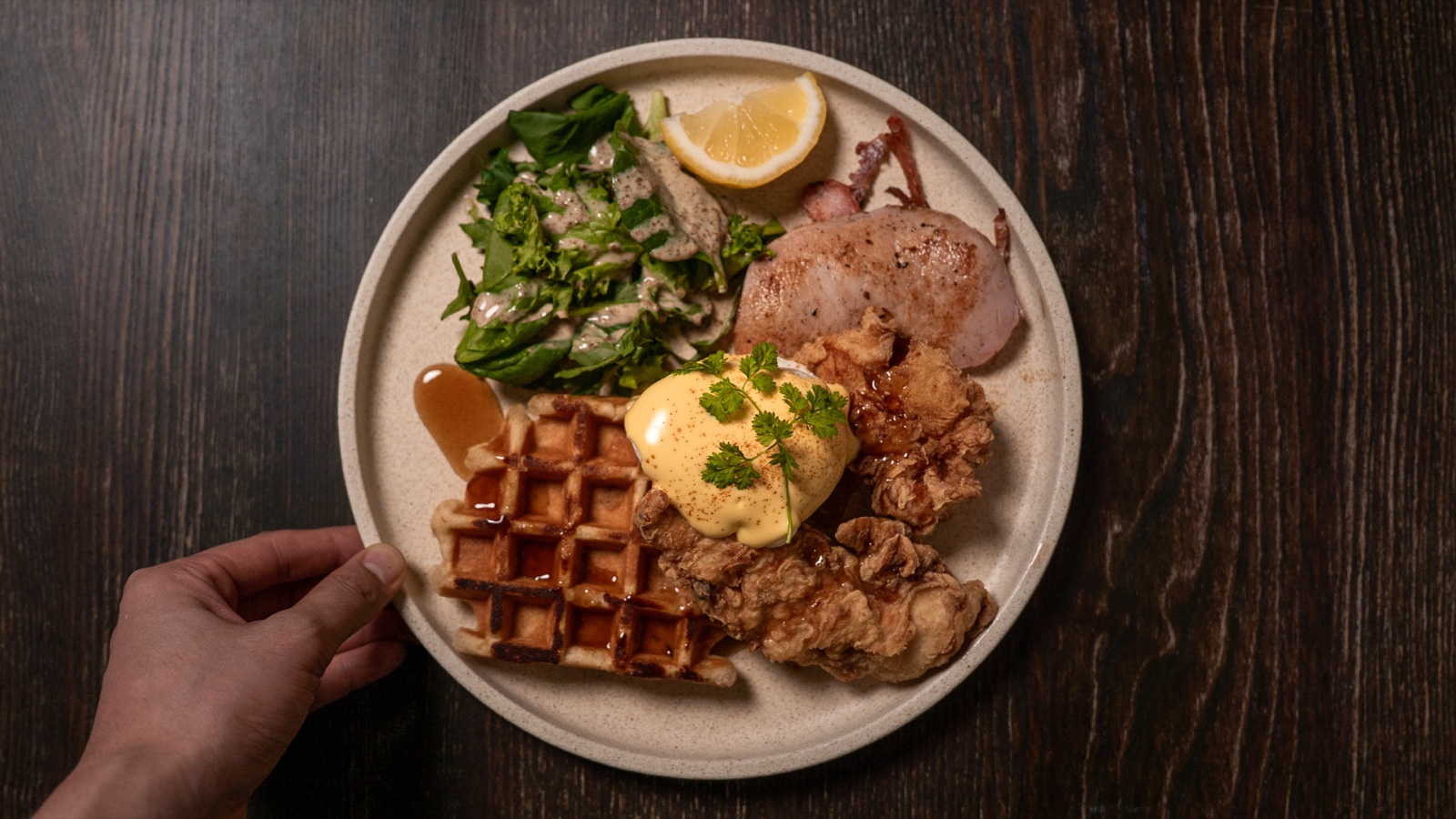
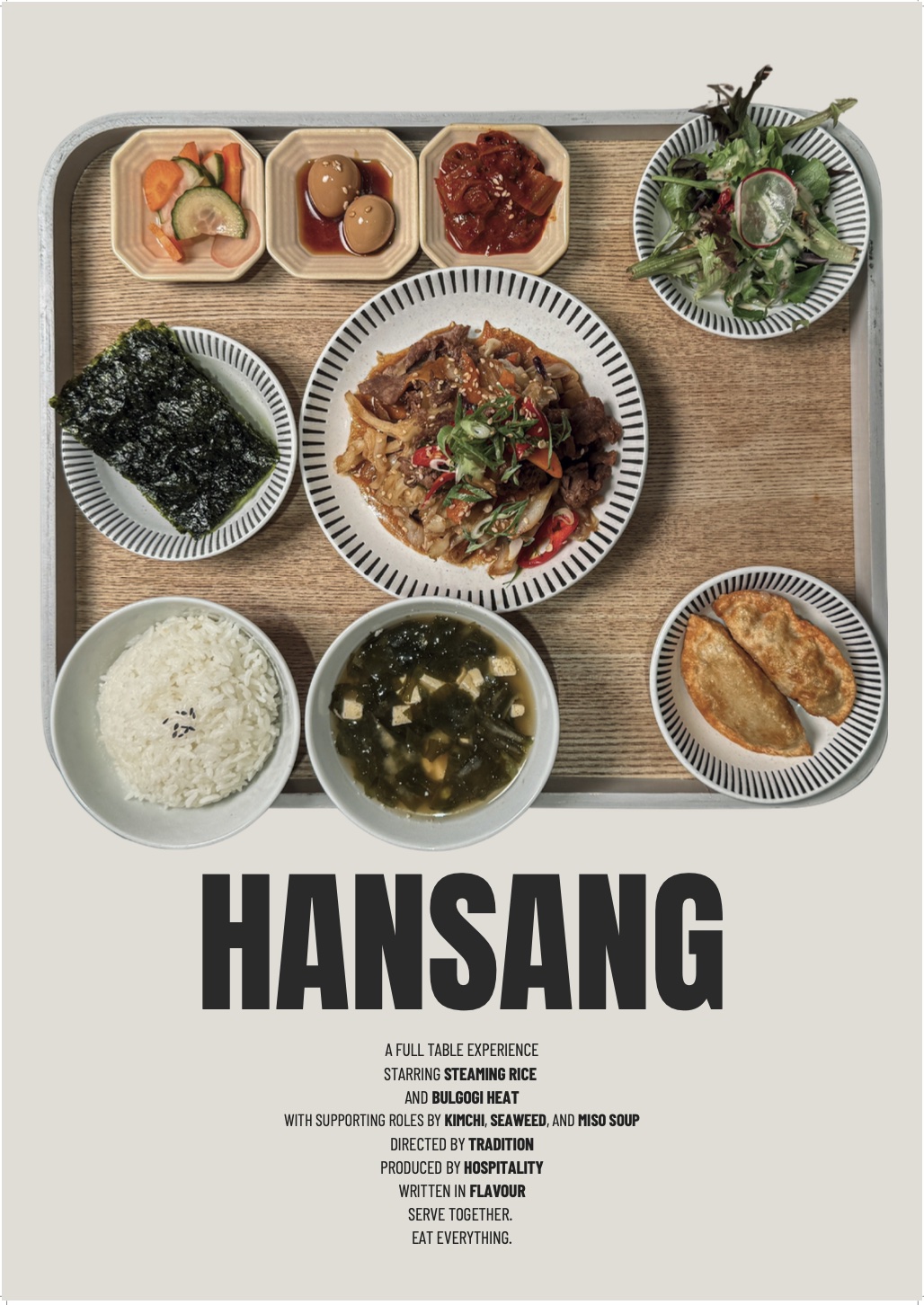
Food photographs were used across the venue’s content and printed menu campaigns. The HANSANG poster uses the Korean set photograph shown above.
Recorded result
Monthly reach, over the period.
53 → 14,683
Monthly reach · Sep 2025 to May 2026
$0 spent on paid ads.
The venue’s recorded monthly reach increased during the engagement. Reach measures online visibility; it does not establish how many people visited or what drove sales.
Source: Honey Dew Valley owner-supplied Insights, documented in May 2026. This is a historical comparison, not a forecast for another venue.
What does your venue need next?
Send your venue for a free Palate Check. I’ll review your Google profile, Instagram, menu and website, then send the first improvements I’d make.
Get a free check →